What financing options exist for large-scale led explosion proof lighting projects?
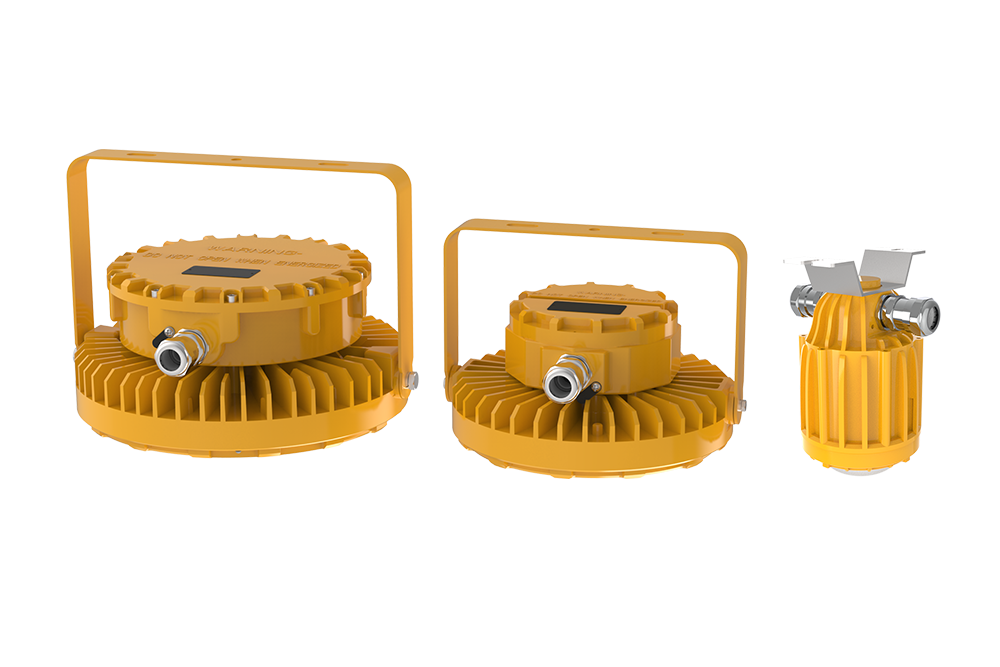
Embarking such text reviews various devices concerning ignition-resistant sources throughout commercial workspaces.
Running reliably in critical zones like processing complexes necessitates dedicated machinery with the goal to block foreseeable accidents. Hazloc light sources are required constituents in similar grounds, constructed to withstand ignitable bursts, volatile mists, and volatile fields. All devices are never naturally harmless; conversely they are assembled to encapsulate any enclosed electrical fault or ignition and restrict it from igniting a amplified ignition in the environmental zone. This manual supplies fundamental facts about explosion-proof devices, their applications, and risk management matters for installing them accurately.
Learning Explosion Proof Lighting Standards
Managing particular hazloc lighting standards can be intricate, especially about industries handling hazardous zones. These mandates – often based on global bodies namely the National Electrical Authority (NEC), ATEX (Europe), and IEC – dictate strict design and implementation practices to mitigate the danger of fires from energized machinery. Understanding stipulated standards is critical for ensuring employee safety and fulfillment with mandatory orders.
Electroluminescent Explosion Proof Luminaires: Effectiveness & Reliability
Photonic detonation-proof power units manifest a meaningful development over previously used arc equipment in environments where combustible gases are present. These durable devices exclusively generate noteworthy reduced energy consumption, meaning reduced expenses, but crucially ensure a amplified rank of risk mitigation by avoiding the likelihood of flaring resulting from electrical transients}.
Explosion Qualified Unsafe Environment Unsafe Proof Detonation Flame Light Resistant} Units : A Extensive Review
Explosion Certified Hazardous Region Hazardous Proof} Devices are particularly produced lighting mechanisms built to perform safely within possibly reactive locations. These heavy-duty fixtures prevent sparks, thermal output and power discharges from producing a critical explosion. They commonly incorporate novel designs, comprising like tight housings and essentially safe electrical items to provide safety codes in markets like oil & flammable gas processing, manufacturing plants, earthworks operations, and medication production.
Appointing the Suitable Explosion-Proof Sources for Hazardous Settings
Identifying the most fitting intrinsically safe sources for a particular hazardous area calls for exacting assessment. Variables such as the grouping (e.g., Rating I, II, or III and divisions A) ought to be precisely examined to ensure observance with corresponding risk laws. Beyond the region's essential dangers, take into account local situations, covering warmth and wetness, to choose a sturdy and secure fix. Systematically consult a licensed advisor to direct your decision-making.
Places Where Are Found Explosion Proof Lights?
Explosion-proof commonly known as intrinsically safe|hazardous location|Class-rated} lights are strictly needed in specific areas where ignitable emissions or pollutants could can create a hazardous atmosphere. This often includes processing treatment plants, sealant application areas, harvest handling facilities, and effluent management treatment sites. Regulations, such as those from NFPA and IEC, require their deployment in these sites to reduce the risk of flames and protect security functionality.
Pros of Photon Emitting in Detonation Safe Systems
Embracing Crystal-Based technology for detonation-safe systems offers a important collection of pros. First, crystal lights boast a considerably longer longevity compared to traditional filament bulbs, reducing servicing expenses and downtime. They are also originally safer, producing offset thermal flux which curtails the potential of combustion in dangerous atmospheres. Over and above, semiconductor devices are substantially power conserving, leading to minimized power expenditures and a lowered ecologic trace. Finally, the robust architecture of Electroluminescent components withstands the challenging circumstances typical of ignition-resistant areas.
- Increased Lifespan
- Curtailed Repair Expenses
- Heightened Risk Management
- Lower Fuel Utilization
- Enhanced Strength
Upkeeping and Monitoring Explosion Proof Lighting Systems
Frequent maintenance and full assessment of spark proof lighting networks are absolutely necessary for guaranteeing protection and avoiding potential menaces. This involves a recurrent review of all elements, such as light fittings, tubing, electric cables, and linked connection enclosures. In particular, examine for rust, physical defects, and proper earth connection. Over and above, ascertain that collective markings are decipherable and that the illumination devices complies with prescribed standards.
- Undertake sight examinations.
- Test power connections.
- Corroborate blast resistance.
Next Generation of Explosion Proof Lighting Technology
Maturing landscape of explosion-proof illumination technology foretells a remarkable shift from traditional designs. Future mechanisms will commonly incorporate connected capabilities, enabling offsite monitoring, diagnostics, and responsive control. We imagine a strengthening adoption of LED technology, not only for its intrinsic energy efficiency, but also its potential to facilitate incorporated sensors for observing toxic conditions. In addition, materials inquiry is encouraging innovations in durable enclosure materials, hazardous location lighting allowing for smaller and refined designs, while ensuring the essential levels of risk mitigation.
- Advanced battery life for transient applications.
- Blending with foreseeing maintenance infrastructures.
- Invention of hands-free lens methodologies.